Lens design
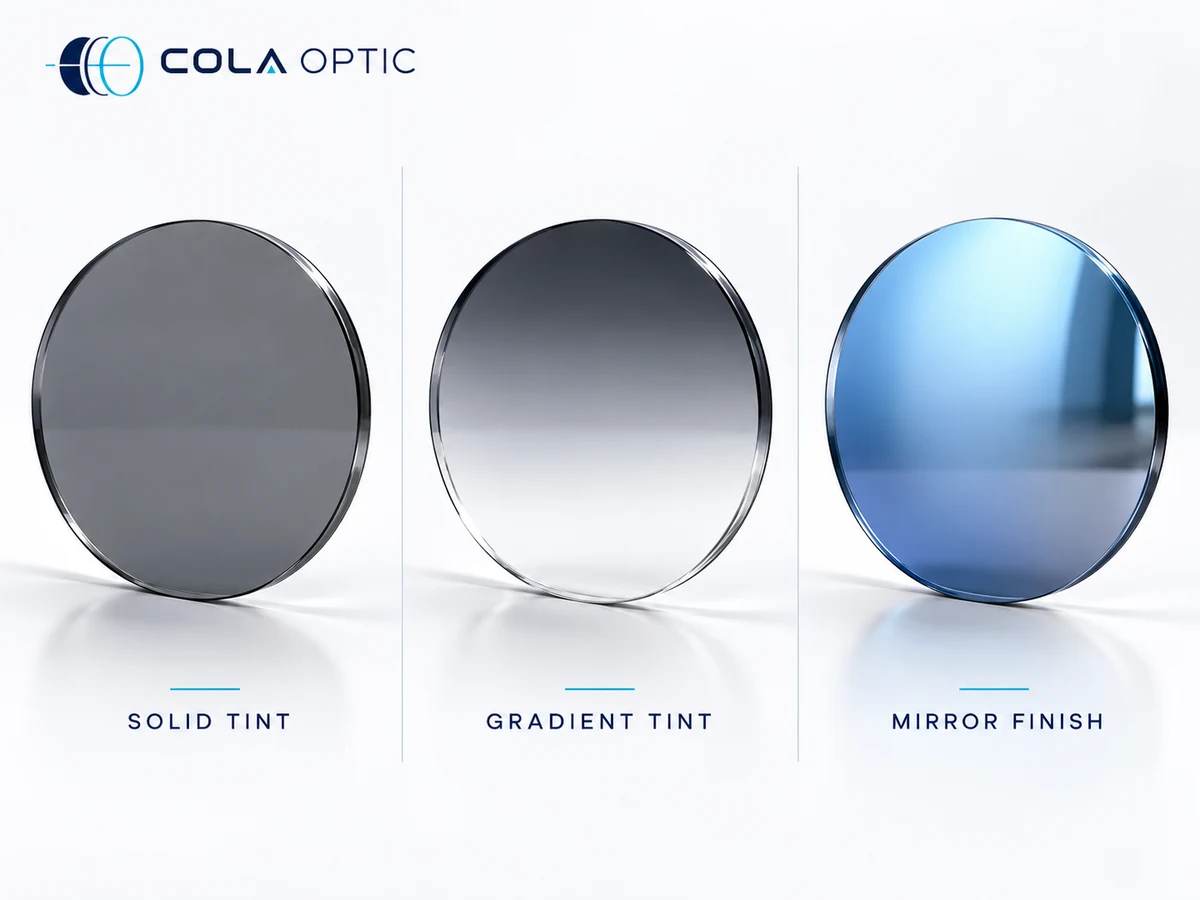
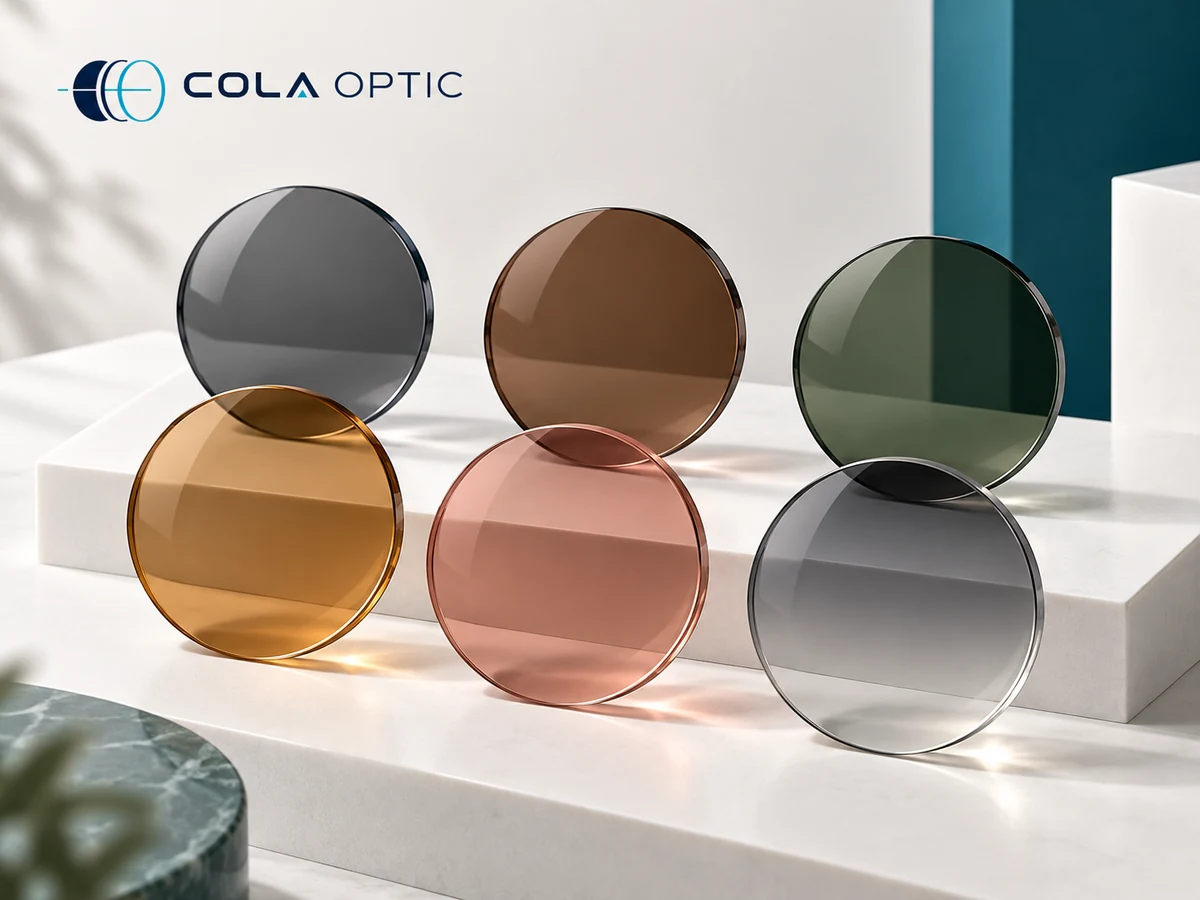
Compare solid, gradient and mirror finishes
These three visual treatments create different appearances. A mirror surface can be combined with a specified base tint, while a gradient requires its own alignment and color-depth approval.

Sun & Polarized Lenses · CO-SUN
Sun-lens inquiries in 1.499, 1.56, 1.60 and 1.67 index references, with solid, gradient and mirror finishes. Approve color, light transmission and UV requirements separately for the finished product.
Sample-first cooperation · Typical first reply within 1 business day
Buyer fit
For eyewear brands developing coordinated sun collections. Define the material, base curve, prescription route and color standard before approving paired samples under controlled lighting.
Start with representative samples, approve the agreed specification, then use it as the reference for trial and repeat orders.
Technical parameters
Final material, power matrix, coating, tolerances, tests, and availability are confirmed before quotation.
Updated
| Parameter | Configuration |
|---|---|
| Index references | 1.499 / 1.56 / 1.60 / 1.67 |
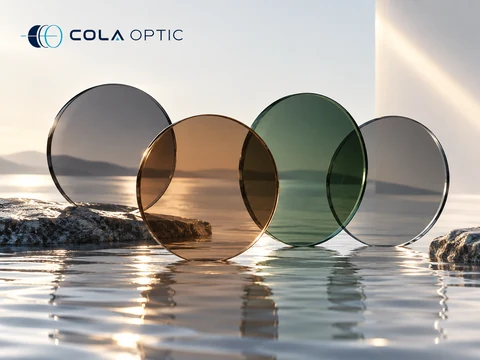
| Color choices | Clear base / grey / brown / G15 / custom inquiry |
| Finish | Solid tint / gradient tint / mirror |
| Diameter references | 75 / 80 mm |
| Sphere reference | 0.00 to −8.00 D; full matrix confirmed |
| Base-curve reference | 4–6; confirm exact material and design |
| Coating | Uncoated / hard coat / AR / mirror options |
| Transmission and UV | Specified and verified independently of color depth |
| Finish | Appearance | Sample approval |
|---|---|---|
| Solid tint | Consistent color across the lens | Hue, density and paired uniformity |
| Gradient tint | Color depth changes across the lens | Gradient direction, height and pair alignment |
| Mirror finish | Reflective surface appearance | Reflection color, transmission and coating compatibility |
Images show color concepts. Actual color, transmission category and intended-use suitability are confirmed using finished samples and supporting evidence.
Lens design
These three visual treatments create different appearances. A mirror surface can be combined with a specified base tint, while a gradient requires its own alignment and color-depth approval.
Application & selection
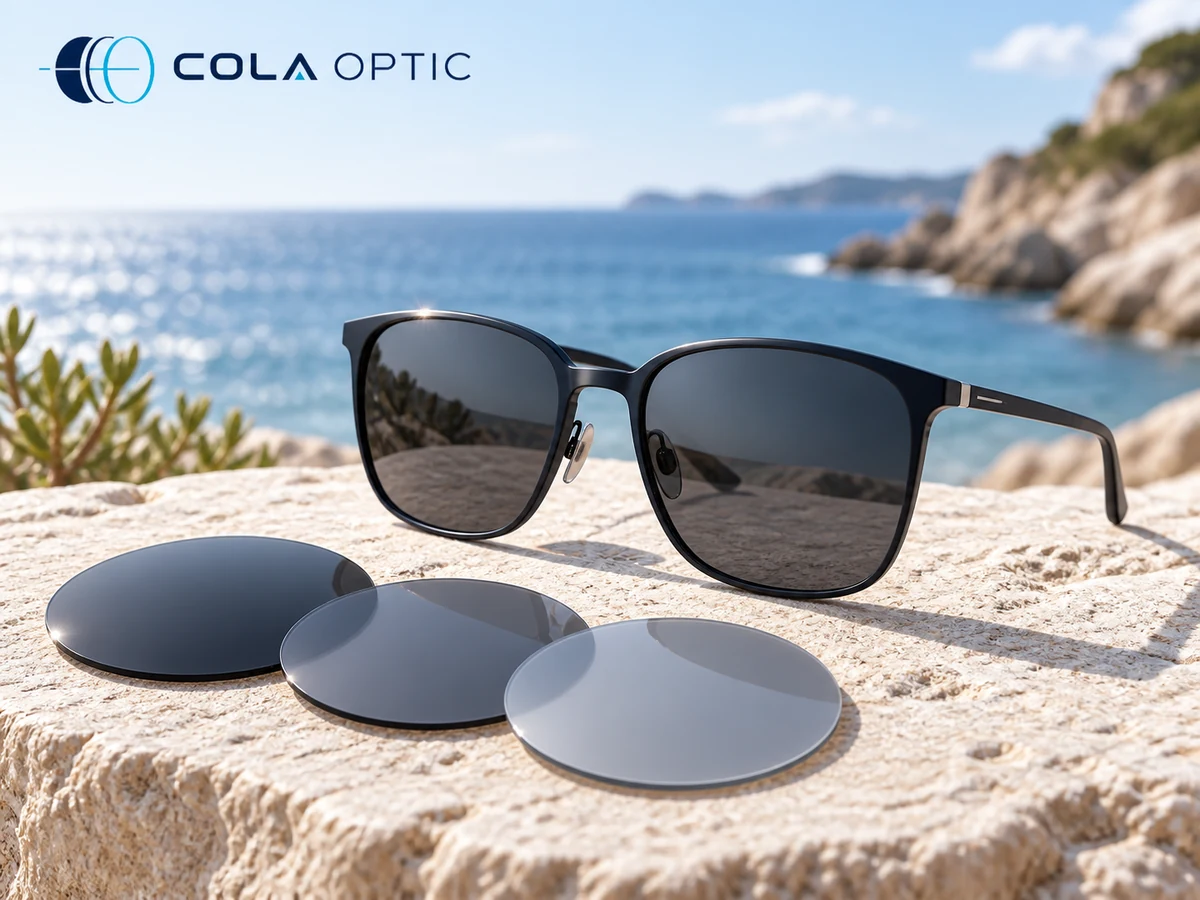
Include a physical color reference or approved sample, paired tolerances and the relevant transmission and UV requirements. A darker tint by itself does not establish greater UV protection.
Sample and quality route
Reviewed against the confirmed product and packing specification.
Reviewed against the confirmed product and packing specification.
Reviewed against the confirmed product and packing specification.
Reviewed against the confirmed product and packing specification.
Reviewed against the confirmed product and packing specification.
Procurement FAQ
No. Tint and polarization are separate features.
No. UV performance must be specified and verified independently.
Send a physical reference and order requirements for feasibility review and sample approval.
Start with a useful inquiry
We will help narrow the specification, sample scope, packaging route, and commercial terms.
Submit product requirementssales@colaoptic.com · Typical first reply within 1 business dayRelated programs