Near-support lens options with a +0.75 D lower-zone reference in 1.56 UV420 and 1.60 MR-8 programs. The exact design, prescription and fitting need professional review.
+0.75 D support reference1.56 UV420 / 1.60 MR-855–80 mm diameter inquiryDesign-specific fitting
DesignDistance correction with lower-zone near support
Sample-first cooperation · Typical first reply within 1 business day
Buyer fit
Built around a clear procurement decision.
For optical buyers evaluating a modest lower-zone support option alongside ordinary single-vision lenses. Confirm right/left design, fitting references and intended prescription range, and keep medical benefit claims separate from the geometric specification.
Start with representative samples, approve the agreed specification, then use it as the reference for trial and repeat orders.
Technical parameters
Typical supply configuration.
Final material, power matrix, coating, tolerances, tests, and availability are confirmed before quotation.
Updated
Anti-Fatigue Lenses specifications
Parameter
Configuration
Design
Distance correction with lower-zone near support
Support reference
+0.75 D
Material choices
1.56 UV420 / 1.60 MR-8
Diameter reference
55–80 mm; matrix confirmation required
Fitting-height reference
16 mm minimum for the referenced design; verify exact instructions
Laterality
Right / left design identification where applicable
Coating
Confirmed with the selected substrate
Wearer selection
Qualified optical assessment
Near-support program references
Program
Sphere reference
Support
Diameter
1.56 UV420
0.00 to −5.00 D
+0.75 D
55–80 mm inquiry
1.60 MR-8
0.00 to −6.00 D
+0.75 D
55–80 mm inquiry
These references do not constitute a complete prescription matrix. Cylinder, fitting and exact design requirements are confirmed separately.
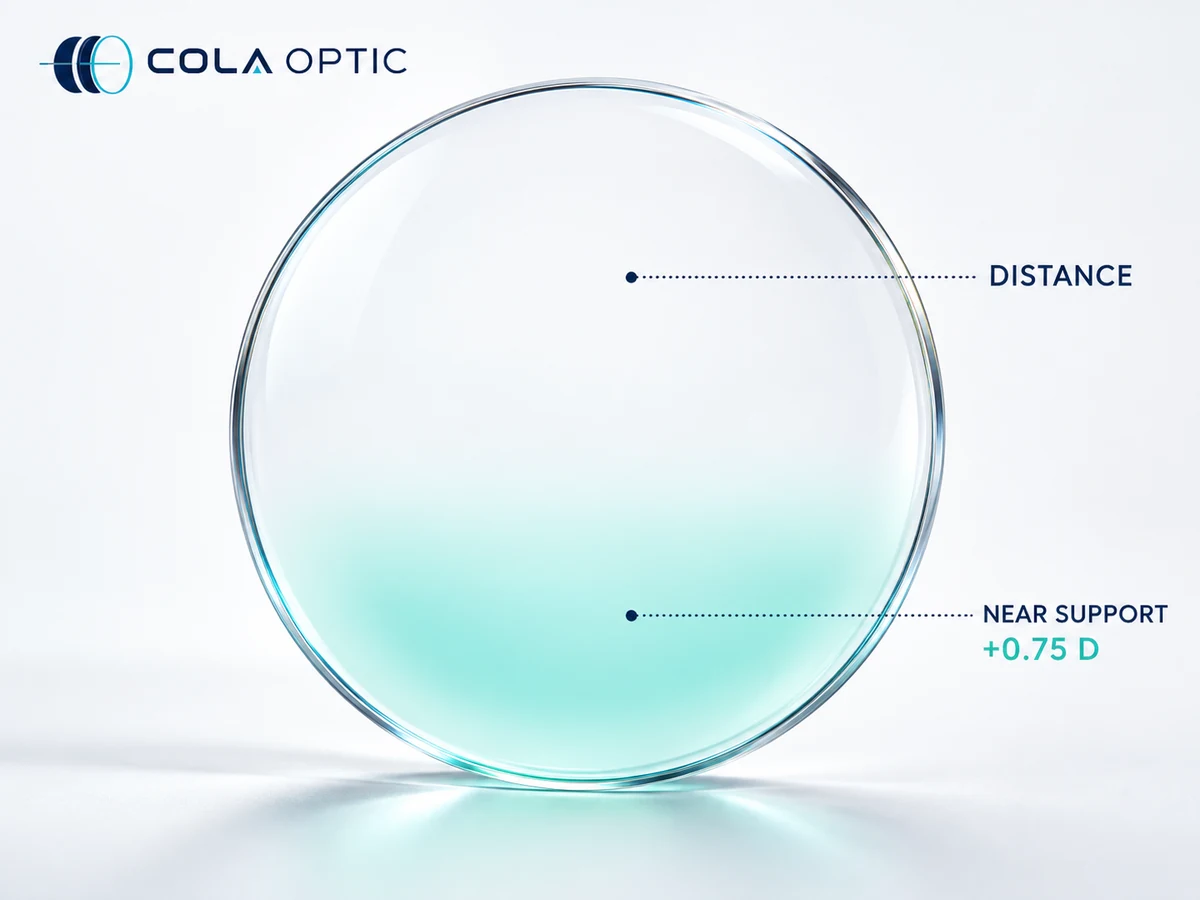
Design schematic · Not to scale
Lens design
A modest change in the lower zone
The lower area supplies the specified support relative to the distance correction, with a gradual transition. The illustration shows the +0.75 D design reference without representing a measured power map or guaranteed symptom relief.
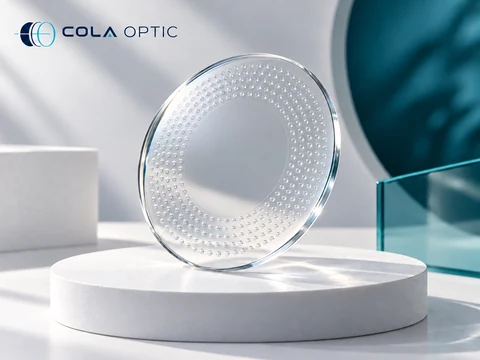
Application illustration
Application & selection
Match the design to the wearer and frame
Qualified optical staff should review suitability, prescription and frame adjustment, then collect the required fitting information. Keep the order distinct from both a conventional single-vision lens and a full progressive prescription.
Commercial options
Specify the program your market needs.
Share your target range and packaging plan for a focused specification and quotation.
Prescription matrixSend sphere, cylinder, addition where applicable, diameter and quantities.Coating and colorIdentify the exact finish and approve representative paired samples.Private labelConfirm artwork, envelope labels, inner boxes and carton identification.Order approvalAvailability, minimum quantity, lead time and evidence are confirmed in the quotation.
Sample and quality route
Approve what matters before volume.
01
Match material, design and power to the approved order
Reviewed against the confirmed product and packing specification.
02
Inspect relevant optical and dimensional properties
Reviewed against the confirmed product and packing specification.
03
Compare paired appearance and surface condition
Reviewed against the confirmed product and packing specification.
04
Review specified performance reports and sample identity
Reviewed against the confirmed product and packing specification.
05
Reconcile product labels, batch references and packaging
Reviewed against the confirmed product and packing specification.
Procurement FAQ
Questions buyers ask before sampling.
Is +0.75 D suitable for everyone?+
No. The design and support need professional assessment for the individual wearer.
Is this a full progressive lens?+
It is a near-support design with a modest lower-zone change. Confirm the exact design rather than substituting it for an unrelated progressive prescription.
Does it guarantee relief from eye fatigue?+
No. A design specification alone cannot guarantee symptom relief or identify the cause of discomfort.
Start with a useful inquiry
Send your power range, coating, quantity, and destination market.
We will help narrow the specification, sample scope, packaging route, and commercial terms.