Lens design
Examine the cellular surface concept
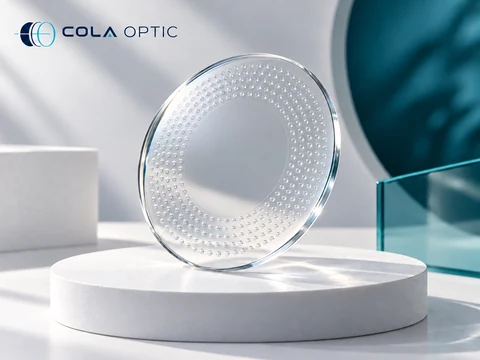
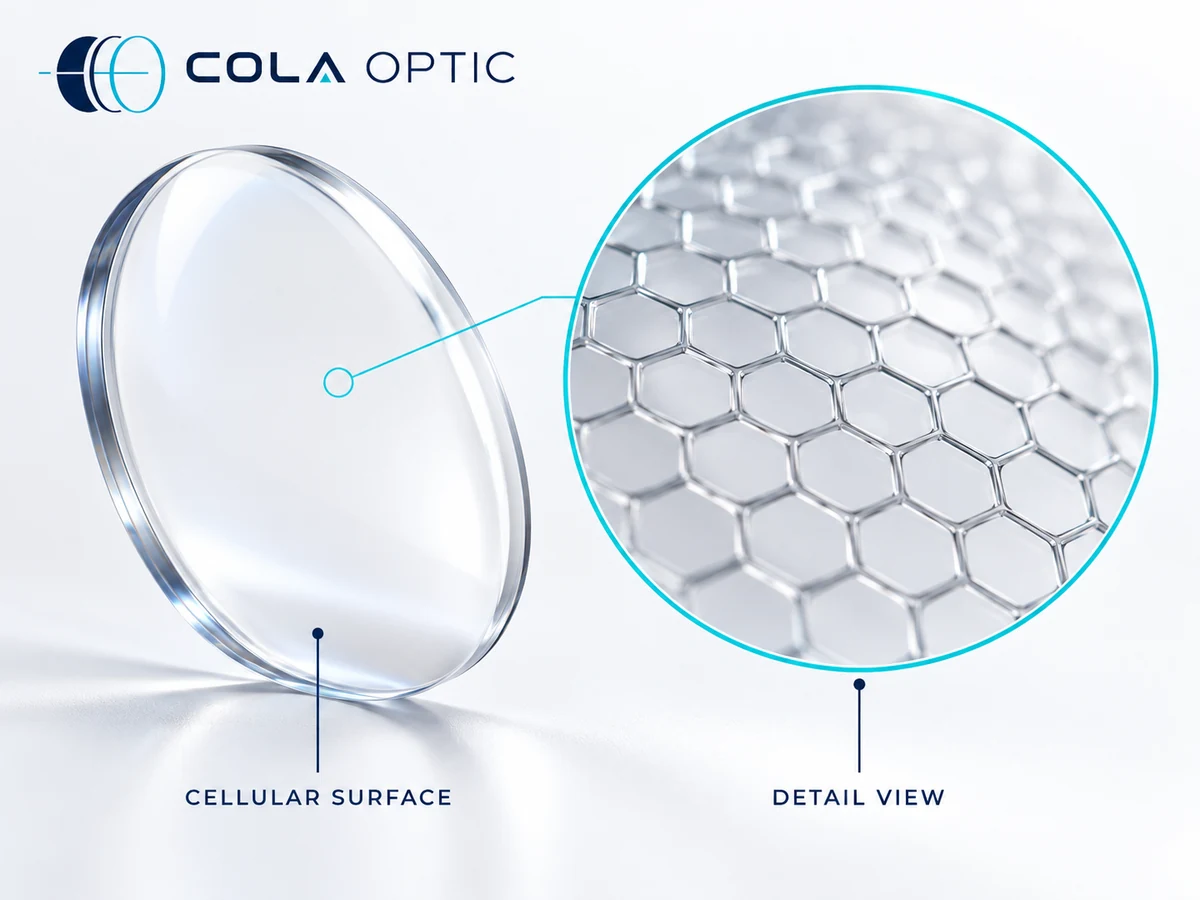
The enlarged view shows a honeycomb-style surface pattern for identification. It is not a microscopic production image, an exact scale drawing or evidence of a particular optical effect.

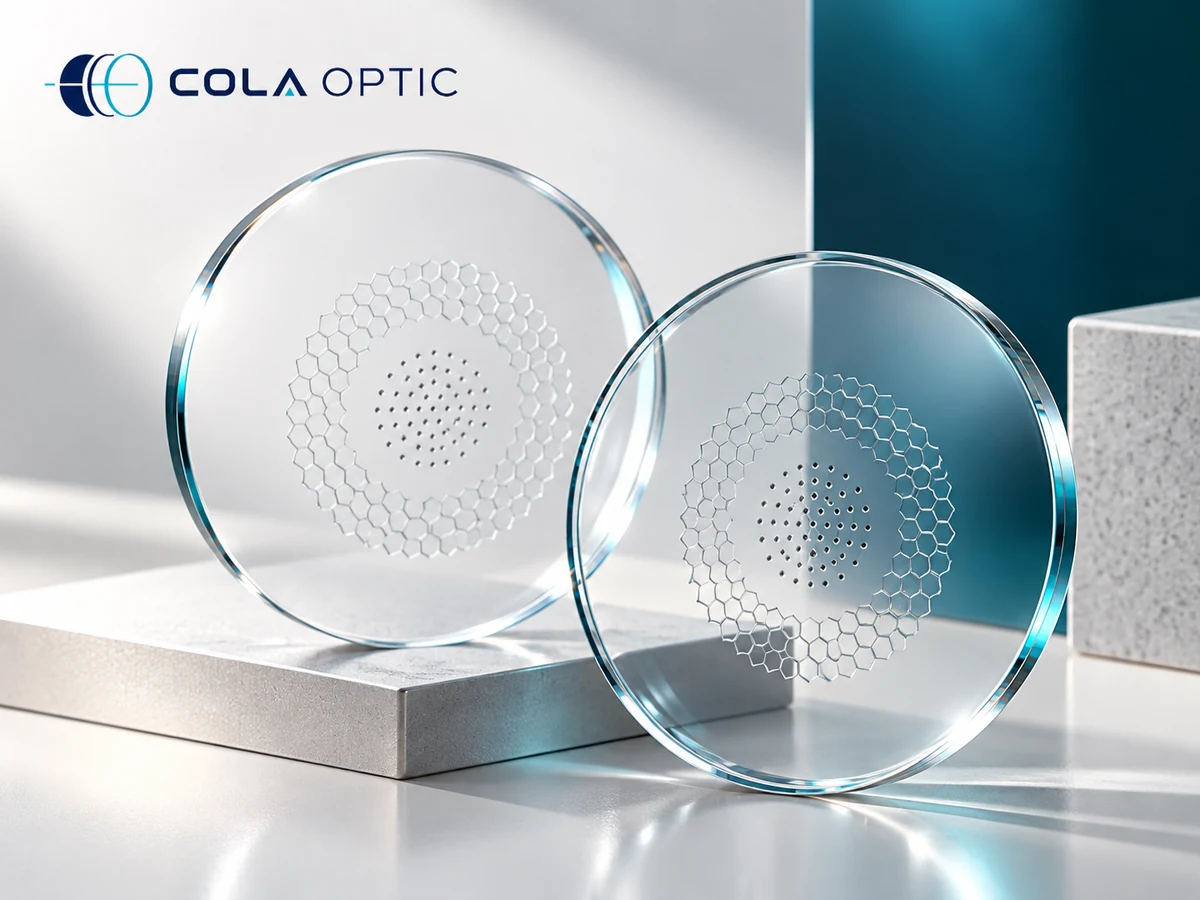
Functional Lenses · CO-HNY
A specialty cellular surface lens inquiry in 1.56, 1.61 and 1.67 index references. Assess the visible pattern, transmission and coating characteristics on actual samples before adding the finish to a collection.
Sample-first cooperation · Typical first reply within 1 business day
Buyer fit
For optical distributors exploring a differentiated surface appearance. The honeycomb name identifies a pattern concept; optical performance and compatibility must be defined independently.
Start with representative samples, approve the agreed specification, then use it as the reference for trial and repeat orders.
Technical parameters
Final material, power matrix, coating, tolerances, tests, and availability are confirmed before quotation.
Updated
| Parameter | Configuration |
|---|---|
| Surface concept | Honeycomb / cellular patterned finish |
| Index references | 1.56 / 1.61 / 1.67 |
| Design reference | Aspheric single vision |
| Spectral option | Blue-filter / UV specification confirmed by variant |
| Material identity | Confirmed by material data sheet |
| Pattern acceptance | Appearance, uniformity and transmission assessed on samples |
| Parameter | What to specify | Evidence |
|---|---|---|
| Cellular pattern | Pattern placement and acceptable appearance | Reference sample and drawing |
| Optical properties | Power, clarity and transmission requirements | Finished-lens inspection |
| Spectral behavior | Defined UV / blue-light criteria | Product-specific transmission data |
| Durability | Coating and cleaning requirements | Agreed method and care instructions |
A patterned surface alone does not demonstrate improved vision, disease prevention or universal glare reduction.
Lens design
The enlarged view shows a honeycomb-style surface pattern for identification. It is not a microscopic production image, an exact scale drawing or evidence of a particular optical effect.
Application & selection
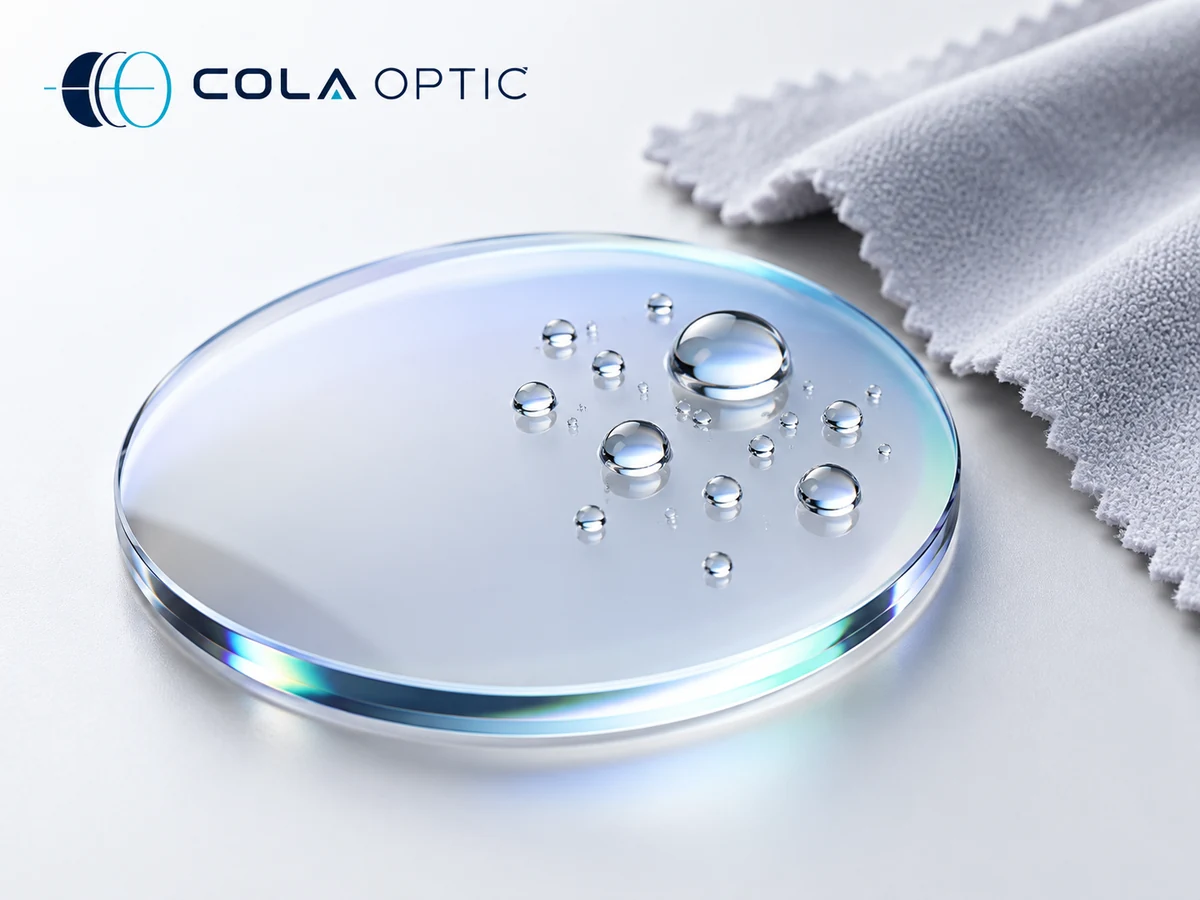
Inspect visual appearance in different lighting, paired consistency and compatibility with processing and cleaning. Any performance claim should refer to a defined measurement on the selected finished product.
Sample and quality route
Reviewed against the confirmed product and packing specification.
Reviewed against the confirmed product and packing specification.
Reviewed against the confirmed product and packing specification.
Reviewed against the confirmed product and packing specification.
Reviewed against the confirmed product and packing specification.
Procurement FAQ
The product is presented as a cellular surface finish. Confirm the actual construction and drawing rather than inferring through-holes from a trade name.
No. Appearance does not establish a clinical effect.
No. Confirm material identity separately; MR-8 is a 1.60 material.
Start with a useful inquiry
We will help narrow the specification, sample scope, packaging route, and commercial terms.
Submit product requirementssales@colaoptic.com · Typical first reply within 1 business dayRelated programs