Photochromic Lenses · BIF-156PC
1.56 Photochromic Bifocal HMC Optical Lenses
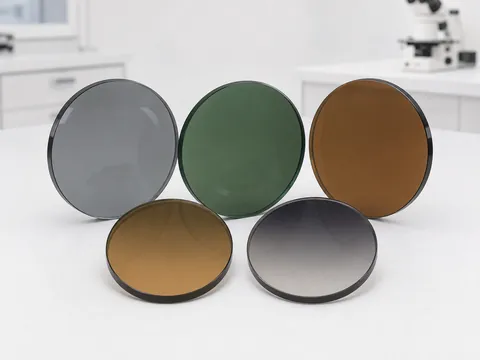
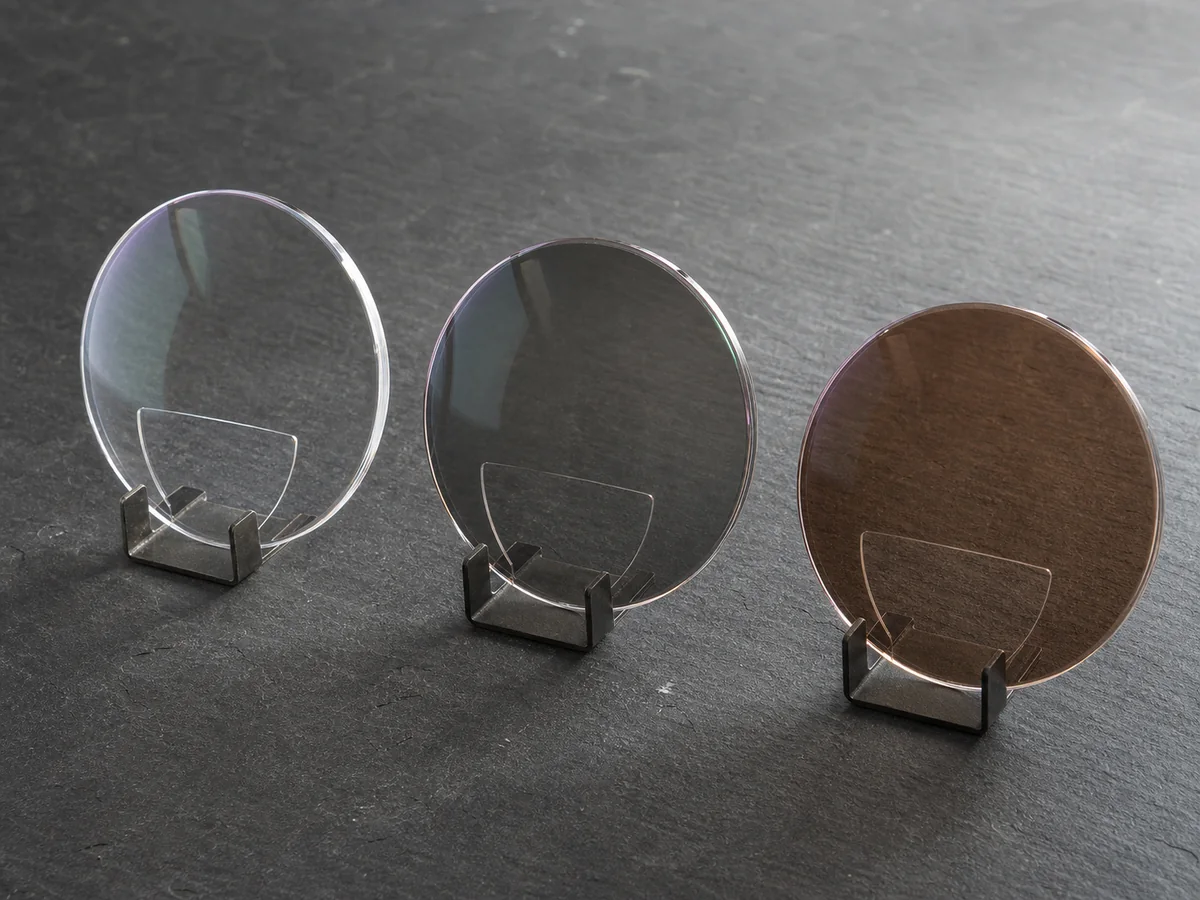
A 1.56 resin bifocal lens program combining distinct distance and near zones with grey or brown photochromic response and HMC anti-reflective coating for indoor-to-outdoor everyday eyewear.
1.56 optical resinVisible-segment bifocal designPhotochromic grey or brownHMC anti-reflective coating
Product typeFinished uncut ophthalmic lens program; supply format confirmed for quotation
Lens designBifocal with separate distance and near zones
Shown segmentFlat-top FT28-style near segment
Alternative segmentsRound-top or blended bifocal requirements quoted separately
Refractive index1.56
Sample-first cooperation · Typical first reply within 1 business day
Buyer fit
Built around a clear procurement decision.
Designed for optical wholesalers, laboratories, and retail groups sourcing a conventional visible-segment bifocal that reduces the need to switch between clear reading glasses and separate outdoor eyewear.
Start with representative samples, approve the agreed specification, then use it as the reference for trial and repeat orders.
Technical parameters
Typical supply configuration.
Final material, power matrix, coating, tolerances, tests, and availability are confirmed before quotation.
Product typeFinished uncut ophthalmic lens program; supply format confirmed for quotation
Lens designBifocal with separate distance and near zones
Shown segmentFlat-top FT28-style near segment
Alternative segmentsRound-top or blended bifocal requirements quoted separately
Refractive index1.56
MaterialOptical resin
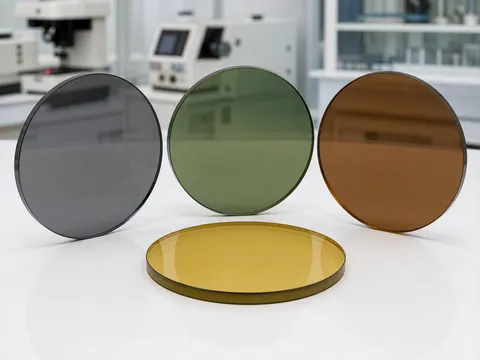
Photochromic colorsGrey (PGX) and brown (PBX) program
Indoor stateClear to lightly residual; approved against sample
Activated stateGrey or brown depth confirmed under agreed UV and temperature conditions
CoatingHMC hard multi-coating with green or green-purple residual reflection
Diameter and segment size70 / 28 mm inquiry reference; confirmed against power matrix
Power and addition rangeSphere, cylinder, and ADD coverage confirmed in the approved order matrix
Sample and quality route
Approve what matters before volume.
- 01Distance power, near addition, and segment verification
Reviewed against the confirmed product and packing specification.
- 02Segment width, height, position, and cosmetic inspection
Reviewed against the confirmed product and packing specification.
- 03Diameter, center thickness, and edge inspection
Reviewed against the confirmed product and packing specification.
- 04Grey or brown activation and fade comparison
Reviewed against the confirmed product and packing specification.
- 05Pair color and HMC reflection matching
Reviewed against the confirmed product and packing specification.
- 06Photochromic performance testing under agreed conditions
Reviewed against the confirmed product and packing specification.
- 07Envelope, power, ADD, and color label verification
Reviewed against the confirmed product and packing specification.
Procurement FAQ
Questions buyers ask before sampling.
How does a bifocal lens work?
A bifocal has two distinct optical zones. The main area is used for distance vision, while the lower segment contains additional near power for reading.
Is the line in the lens visible?
The flat-top configuration shown has a visible segment boundary. Buyers wanting a round-top, blended, or progressive appearance should specify that as a separate design requirement.
What is the difference between PGX and PBX?
PGX identifies the grey photochromic program and PBX the brown program. Final indoor residual color, activated depth, and fade behavior should be approved with samples.
Will these lenses darken inside a car?
Photochromic response depends on the activating spectrum. Many vehicle windscreens reduce UV exposure, so darkening behind the windscreen may be limited. Driving performance should not be assumed without a specified test.
Is this the same as a progressive lens?
No. A conventional bifocal has two zones and a visible or blended near segment. A progressive lens provides a gradual power change and requires a different design and fitting specification.
Which measurements are needed for an order?
Provide sphere, cylinder, axis, ADD, diameter, segment style and size, segment height or fitting requirements, photochromic color, coating, and destination-market standards.
Start with a useful inquiry
Send your power range, coating, quantity, and destination market.
We will help narrow the specification, sample scope, packaging route, and commercial terms.
Submit product requirementssales@colaoptic.com · Typical first reply within 1 business dayRelated programs